
2026-10-15 For 3–5-year-lifetime, cost-sensitive, large-batch LEO constellations with relaxed launch-weight constraints, HJT/silicon is a reasonable choice. But for missions of 10–15+ years, high dose, and contracted power, GaAs remains the only roadmap backed by mature EOL data.
Read More 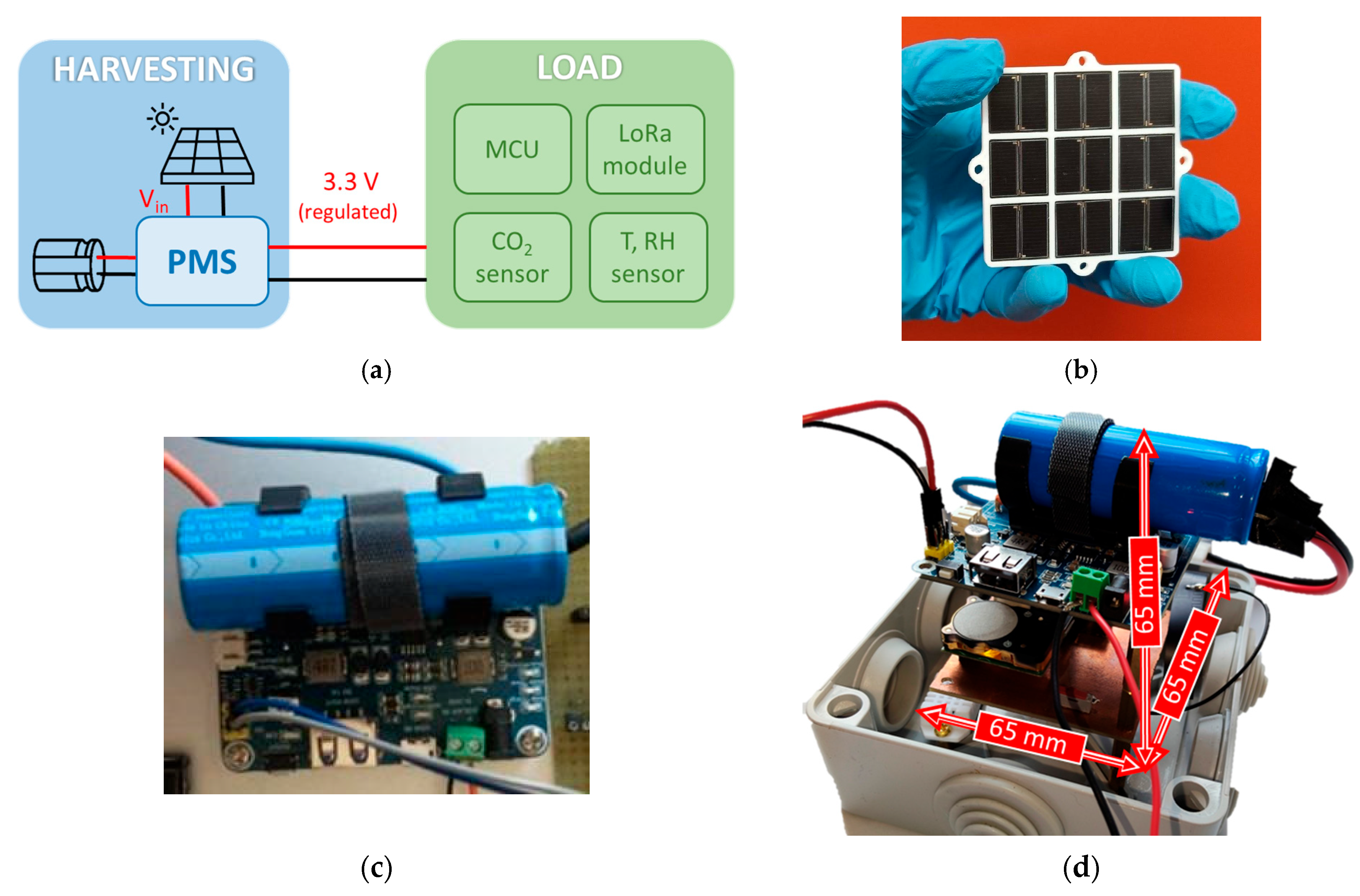
2026-10-12 When engineers build a self-powered IoT device, 90% of the effort goes into photovoltaic conversion efficiency—30% versus 35%, endlessly debated. But anyone who has actually deployed field devices knows the truth: systems rarely die from insufficient generation. They die on the storage side. A week
Read More 
2026-09-23 It weighs less than a grain of rice and carries no battery. Yet this 0.066 g tag—attached to a monarch’s thorax with eyelash glue—uses a rice-sized solar cell to power a passive Bluetooth transmitter that a phone can receive nearly 100 m away. How?The energy budgetKnown: 0.066 g, passive Bluetooth,
Read More 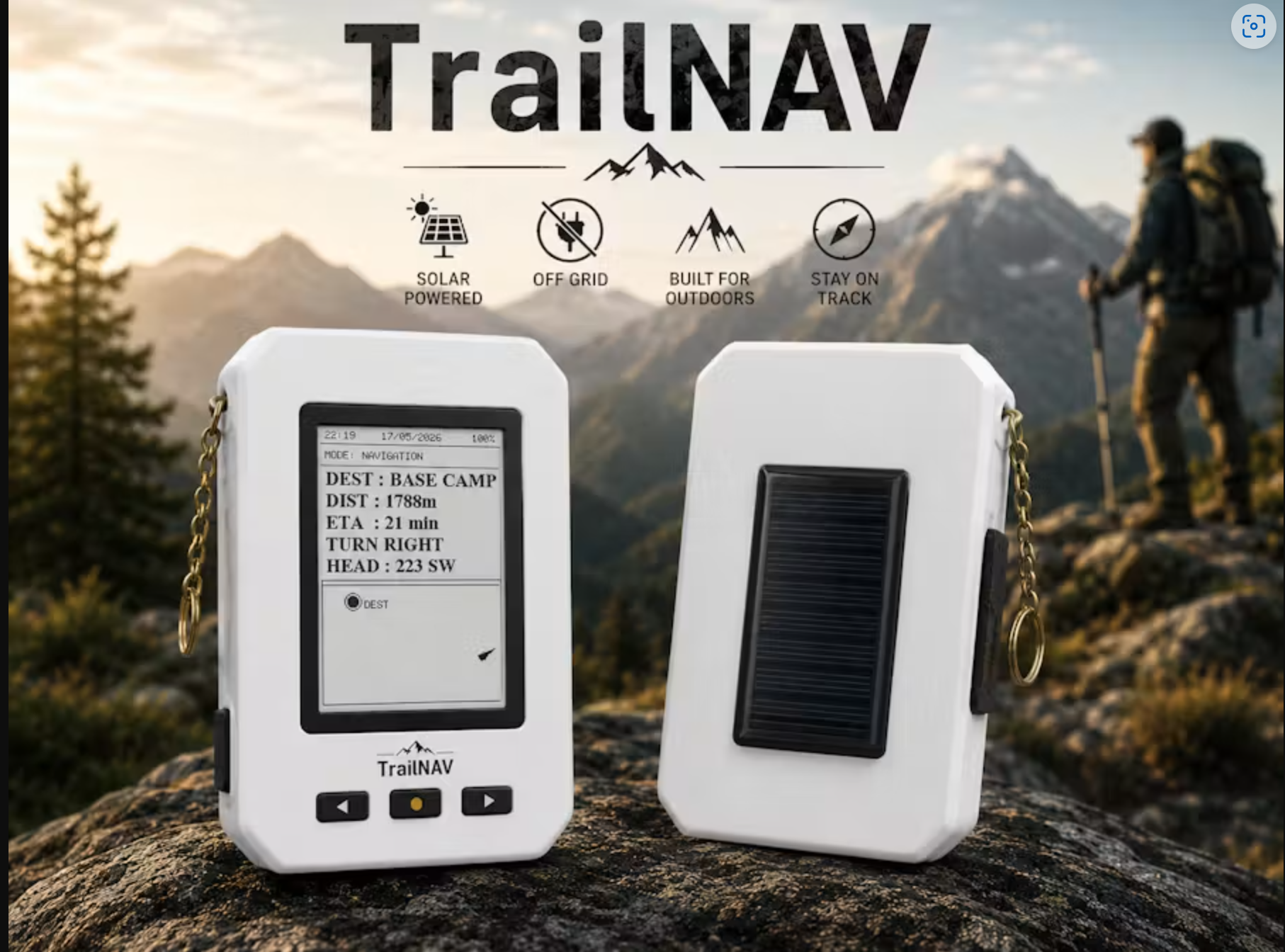
2026-07-02 TrailNAV, an open-source solar-powered offline navigation device based on ESP32-C6 MCU and 2.7" e-paper display, was released in June 2026. It integrates NEO-M8N GPS and QMC5883L magnetometer for destination guidance and digital compass — fully off-grid, no cellular required. Fully open-source on GitHub, demonstrating embedded systems' potential for ultra-low-power outdoor navigation.
Read More 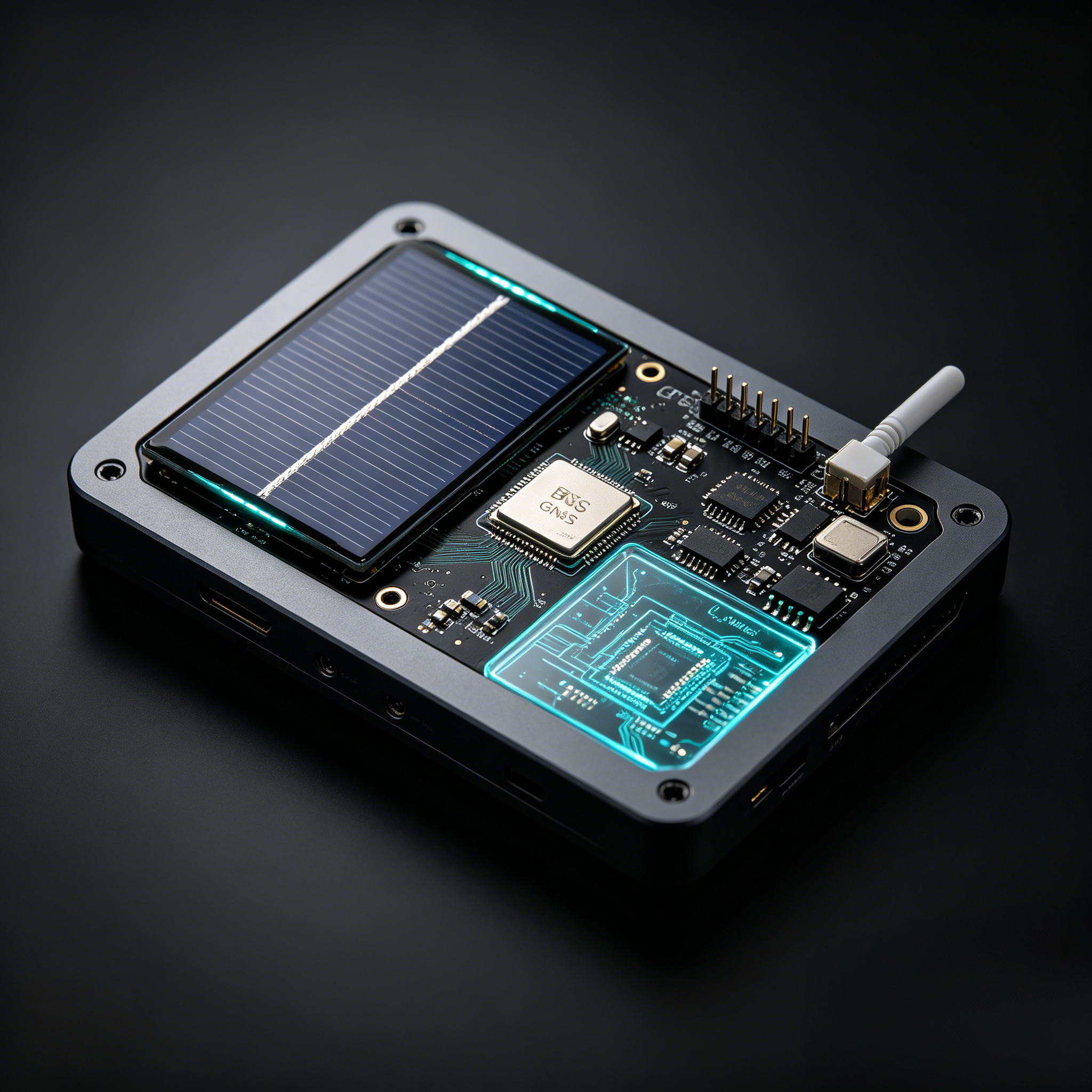
2026-06-26 NB-IoT and LoRaWAN have become dominant connectivity technologies for solar GPS trackers, offering ultra-low power consumption and strong signal penetration. Solar panels are being further miniaturized for animal wearable trackers.
Read More 
2026-06-16 In an era of deep integration between the Internet of Things (IoT) and new energy technologies, solar-powered GPS suppliers are emerging as key drivers in advancing green positioning technology. By combining solar power generation with GPS positioning, these manufacturers offer sustainable, maintenance-free solutions for outdoor equipment, logistics tracking, environmental monitoring, and more.
Read More 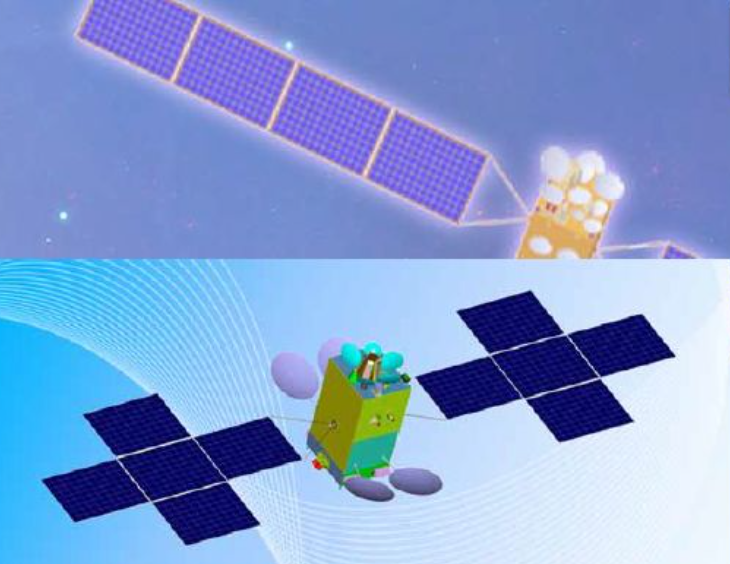
2026-06-12 Solar Panels in Space Technology: Flexible Solar Wings Reach Batch Production Maturity with One-Rocket Four-Satellite Mission
Read More 
2026-06-08 To address the energy loss caused by insufficient sun-tracking accuracy in PV systems, researchers have developed a hybrid algorithm dual-axis solar tracking system (DASTS) that integrates GPS positioning and light-dependent resistors (LDRs). Through innovative LDR design and algorithm optimization, the tracking error has been reduced to 1.8°, and experimental results show a 38.2% increase in power generation compared to fixed systems.
Read More 
2026-06-08 The selection of a satellite platform is one of the most fundamental hardware choices in a space mission. It dictates the overall Size, Weight, and Power (SWaP) budget range available for the rest of the setup and has knock-on effects on all other aspects of the mission design.
Read More 


