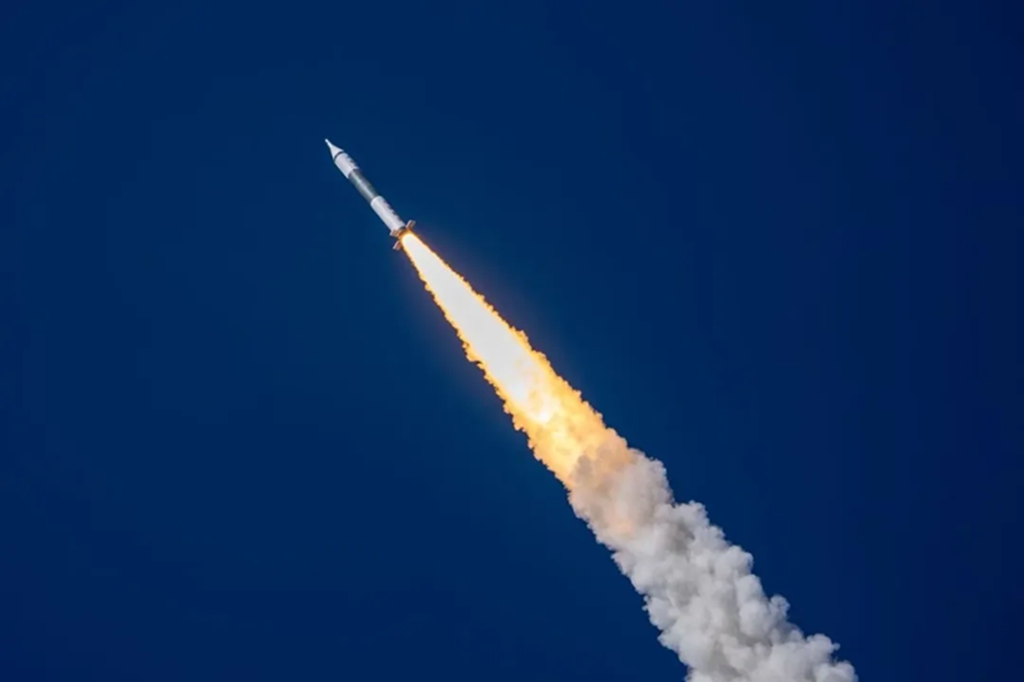
2026-10-15 For 3–5-year-lifetime, cost-sensitive, large-batch LEO constellations with relaxed launch-weight constraints, HJT/silicon is a reasonable choice. But for missions of 10–15+ years, high dose, and contracted power, GaAs remains the only roadmap backed by mature EOL data.
Read More 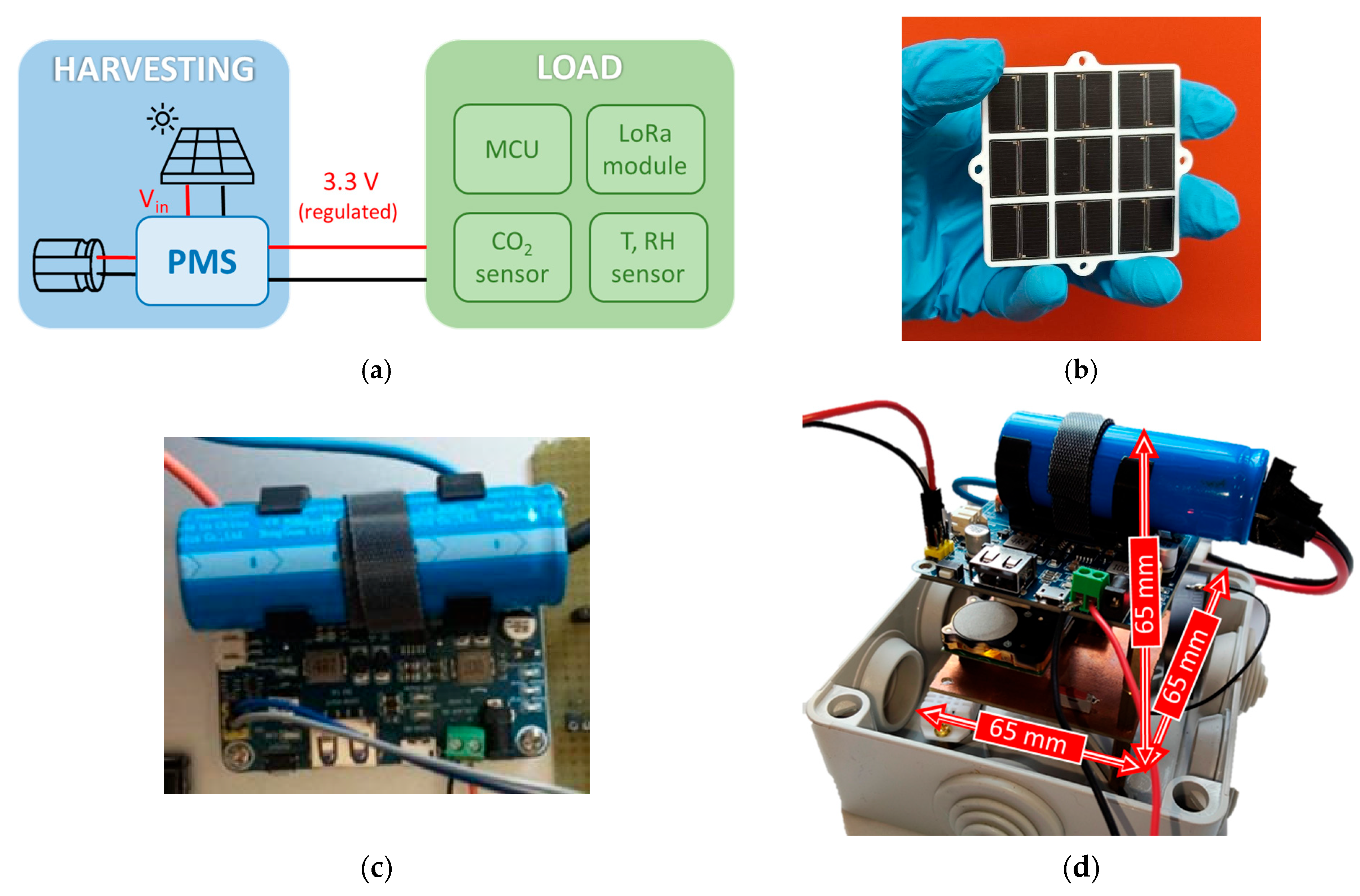
2026-10-12 When engineers build a self-powered IoT device, 90% of the effort goes into photovoltaic conversion efficiency—30% versus 35%, endlessly debated. But anyone who has actually deployed field devices knows the truth: systems rarely die from insufficient generation. They die on the storage side. A week
Read More 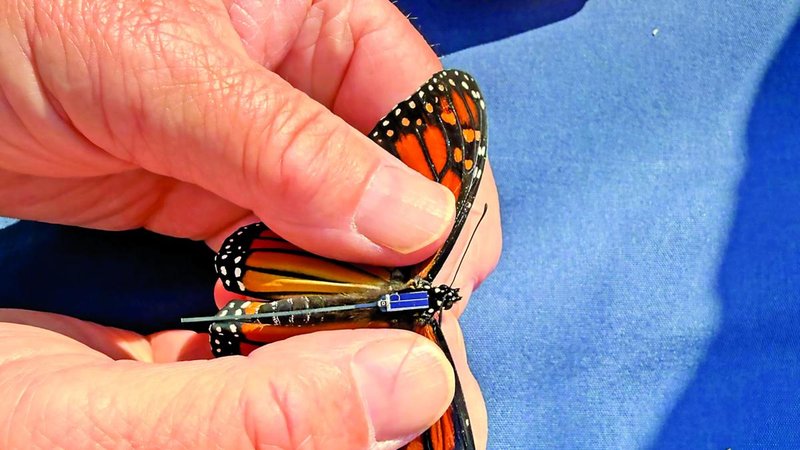
2026-10-08 The cost-reduction paths for space GaAs solar cells are narrowing simultaneously from two independent directions. 1. Push “Thinness” to the Limit and Recover What Is “Expensive” Flexible gallium arsenide (GaAs) solar cells less than 0.1 mm thick are being efficiently produced on production lines, we
Read More 
2026-09-23 It weighs less than a grain of rice and carries no battery. Yet this 0.066 g tag—attached to a monarch’s thorax with eyelash glue—uses a rice-sized solar cell to power a passive Bluetooth transmitter that a phone can receive nearly 100 m away. How?The energy budgetKnown: 0.066 g, passive Bluetooth,
Read More 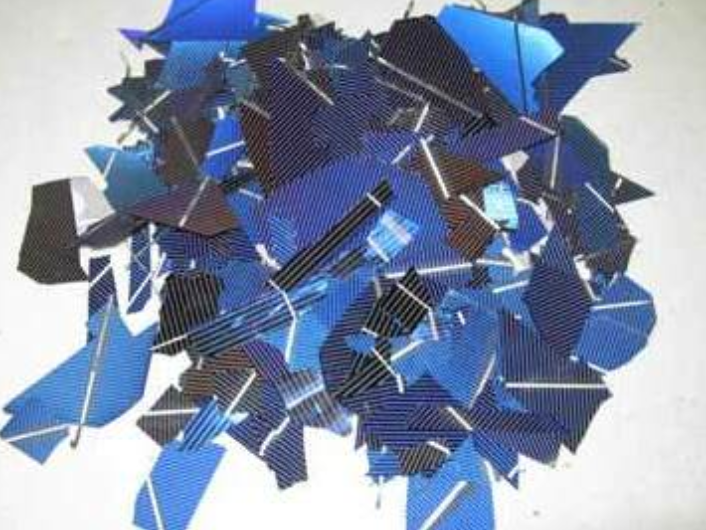
2026-09-02 What Spectrolab TASC Scrap Solar Cells Exist — and What Small Satellite Teams Should KnowIf you have spent any time sourcing components for a small satellite project, you have likely encountered mention of Spectrolab's Triangular Advanced Solar Cells — better known as TASC cells. You may also have n
Read More 
2026-08-14 GaAs Vs Perovskite Vs HJT: Which Solar Cell Technology for Your Satellite Mission? Three Technologies, Three Value Propositions,Space solar cell technology comparison.
Read More 
2026-07-31 The space solar industry is entering a new phase as 6-inch GaAs wafer mass production begins to reshape the economics of high-efficiency photovoltaic cells. Larger wafer formats are not only a manufacturing upgrade but also a key driver for reducing the cost of next-generation space power system
Read More 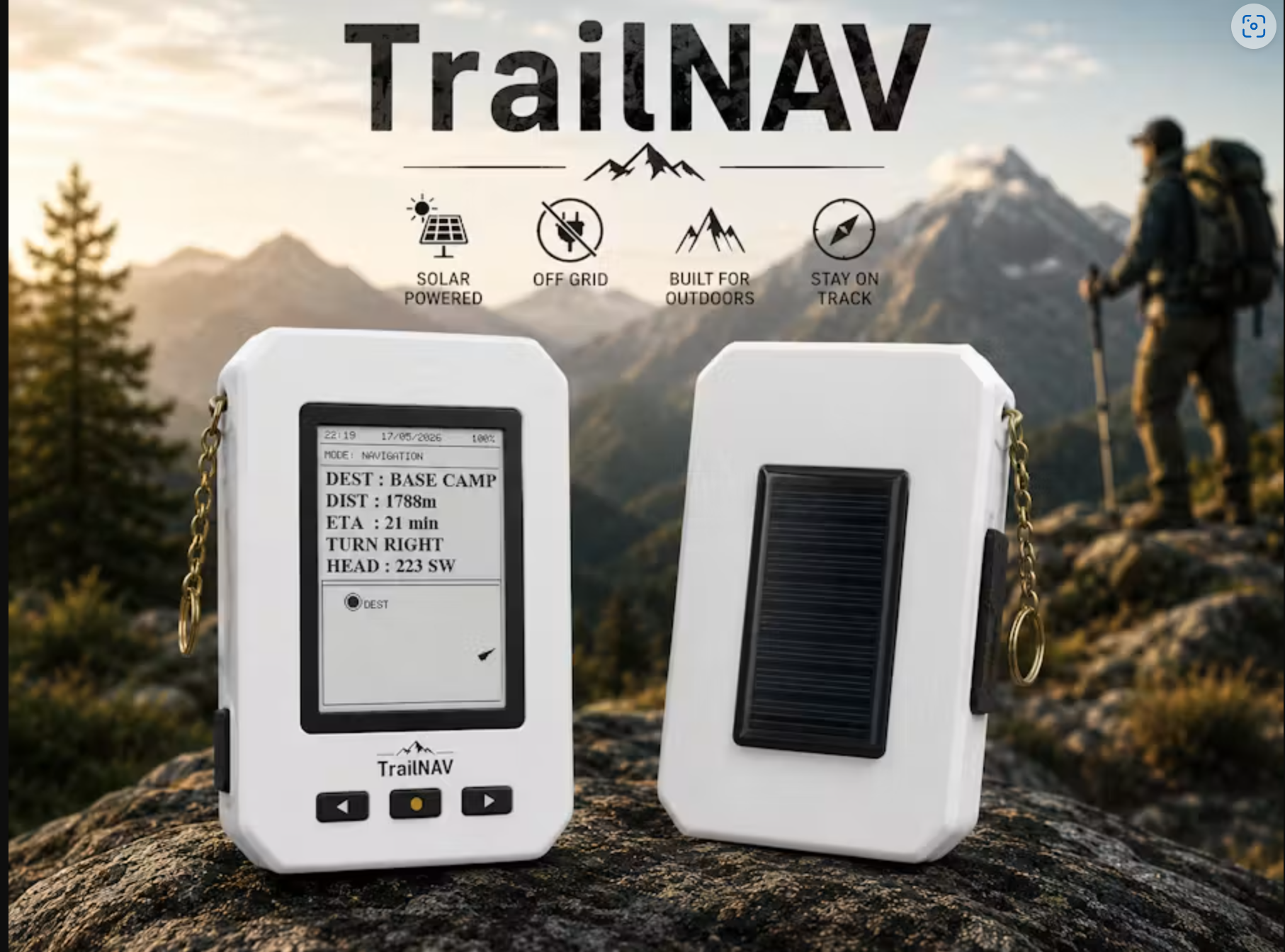
2026-07-02 TrailNAV, an open-source solar-powered offline navigation device based on ESP32-C6 MCU and 2.7" e-paper display, was released in June 2026. It integrates NEO-M8N GPS and QMC5883L magnetometer for destination guidance and digital compass — fully off-grid, no cellular required. Fully open-source on GitHub, demonstrating embedded systems' potential for ultra-low-power outdoor navigation.
Read More 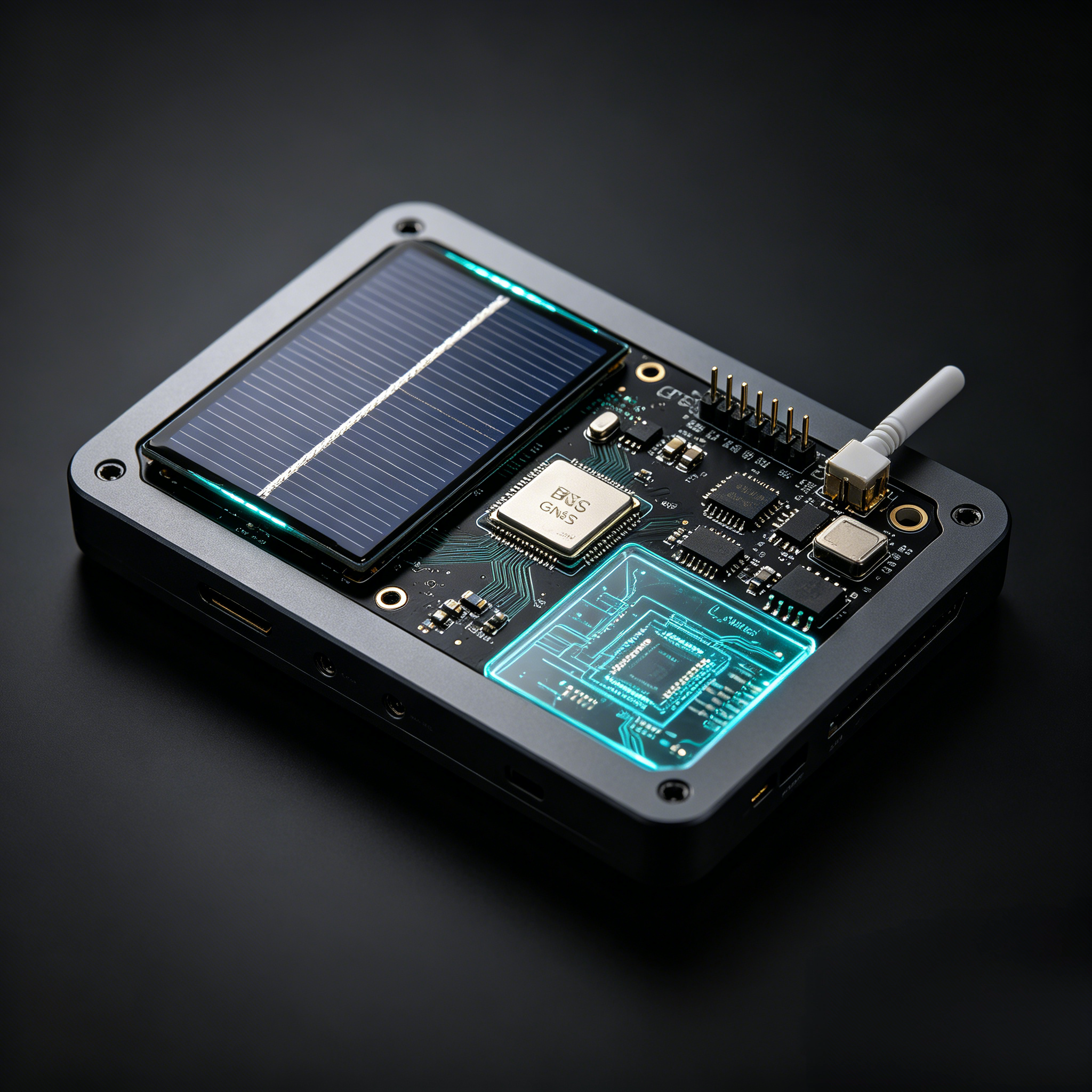
2026-06-26 NB-IoT and LoRaWAN have become dominant connectivity technologies for solar GPS trackers, offering ultra-low power consumption and strong signal penetration. Solar panels are being further miniaturized for animal wearable trackers.
Read More 


